



As the official journal of SNACC, the Journal of Neurosurgical Anesthesiology has a long history of publishing original and review articles relevant to the SNACC membership. Dr Alana Flexman is the Editor-in-Chief. Subscribe to the JNA e-Table of Contents here and follow JNA on:
• Twitter/X: @JNA_Journal
• Instagram: @jna_journal
• Blusky: @jnajournal.bsky.social
Online access to the JNA is a benefit of select SNACC memberships.
We are excited to share highlights of the October 2025 issue of the Journal of Neurosurgical Anesthesiology (JNA). Each issue of the JNA is accompanied by a podcast and a free-to-attend joint ICPNT-JNA webinar. Recordings of the joint webinars can be viewed on the SNACC Learning Management System.
Highlights from JNA October 2025 issue
Short Reports: Health Care Utilization Metrics and Outcomes Relating to the Use of Intraoperative Neuromonitoring in Carotid Endarterectomy: A Nationwide Analysis
Ali Al-Salahat, MBChB, Danielle B. Dilsaver, MS, Ali Bin Abdul Jabbar, MD, Rohan Sharma, MD, and Yu-Ting Chen, MD
DOI: 10.1097/ANA.0000000000001044
The authors of this short report present the findings of their retrospective study investigating the healthcare utilization metrics and outcomes when intraoperative neuromonitoring (IONM) is used during carotid endarterectomy (CEA). Data from 2016 – 2021 was analysed from the USA National Readmissions Database. IONM was used for 4.79% of CEAs and was associated with increased odds of an adverse neurological event including ischemic and hemorrhagic complications (IONM: 19.40% vs. 12.65%, aOR: 1.31, 95% CI: 1.18-1.45, P <0.001) as well as increased length of hospital stay, costs and a lower odds of routine discharge. The authors highlighted that IONM use may be associated with higher risk patients or surgery and that there is a need for further investigation into the use of this resource to develop better understanding of benefits as well as cost. An infographic created by Dr Arnoley Abjeco summarizes the findings (Figure 1).
This Editor’s Choice article is accompanied by an Editorial “Neuromonitoring for Carotid Endarterectomy: Does it Provide Value-Based Care?” authored by Alan Tung exploring the causes behind the principal findings of this study, such as socioeconomic factors and IONM sensitivity, and emphasising that readers need to consider whether IONM offers value in this setting.
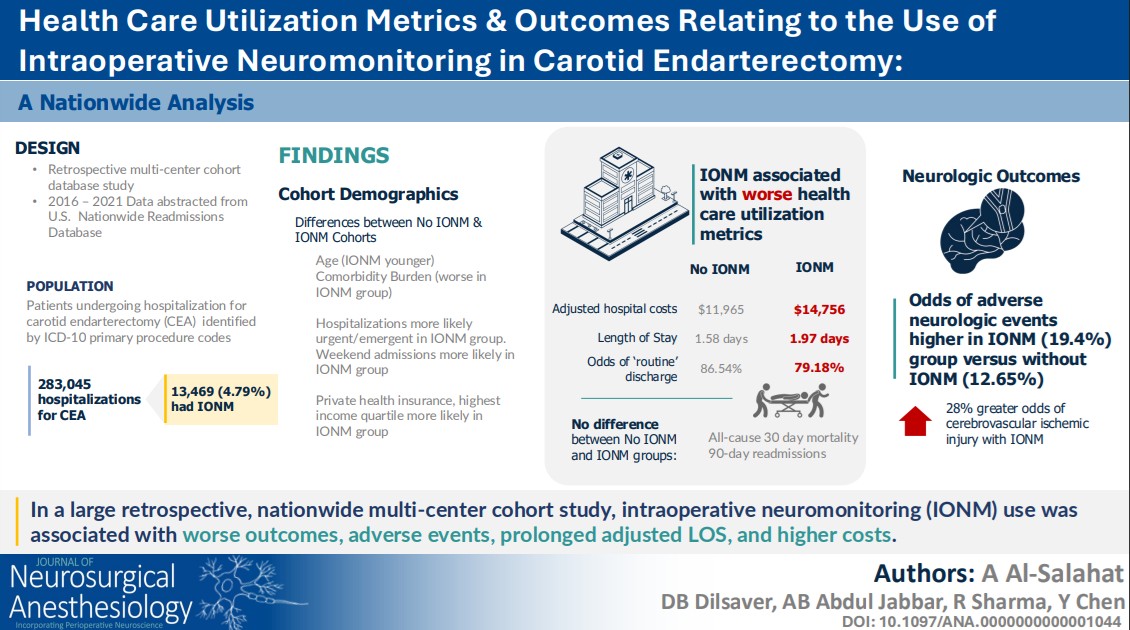
Figure 1. Summary of study by Al-Salahat et al. Infographic created by Dr Arnoley Abjeco
Review Articles: Epidemiology of Post-craniotomy Hypertension and Its Association with Adverse Outcome(s): A Systematic Review and Meta-analysis.
Aziz Rizk, Abramo BHSc(c); Nijs, Kristof MD, MSc; Di Donato, Anne T. MD, TEA-SBA; Hasanaly, Nahemah MD, MMed; Masohood, Naeema S. MBBS, M. Anaes; Chowdhury, Tumul MD, DM, MSc (Epi)
DOI: 10.1097/ANA.0000000000001025
This systematic review and meta-analysis investigate the epidemiology of post-craniotomy hypertension. The authors included twenty-one studies with 2602 patients and found a pooled incidence of post-craniotomy hypertension of 30% (95% CI 15-50%). It was associated with 2.6 times increase in the incidence of post-operative intracerebral hemorrhage within 72 hours of surgery. Importantly, this review highlights a common post-operative morbidity and the associated, potentially devastating, risk of intracerebral hemorrhage. The authors also highlight the need for further research to define criteria for post-operative hypertension.
Focused Review: Temporary Intraoperative Cerebral Blood Flow Reduction to Facilitate Neurovascular Procedures
Budiansky, Adele S. Polis MD, Tomasz MD; Ma, Kan MD DOI: 10.1097/ANA.0000000000001046
This Focused Review examines four principal techniques for reducing cerebral blood flow facilitate neurovascular procedures. This included deep hypothermic circulatory arrest, endovascular balloon-assisted occlusion, rapid ventricular pacing as well as the use of intravenous adenosine. The authors conclude that no one technique is superior to another, and the choice should be individualised to the patient and clinical context.
This Focused Review is particularly relevant to Neuroanesthesiology Fellows and supports the curriculum for advanced training in perioperative neuroscience.
Clinical Investigations: Effect of Nicotine Replacement Therapy on Perioperative Pain Management and Opioid Requirement in Abstinent Tobacco Smokers Undergoing Spinal Fusion: A Double-blind Randomized Controlled
Maheshwari, Ankita PhD; Gupta, Manish PhD; Garg, Bhavuk MS; Singh, Akhil Kant MD; Khanna, Puneet MD
DOI: 10.1097/ANA.0000000000001022
The authors present the finding of their study investigating the use of high dose (21mg/24h) nicotine patches on reducing pain and opioid requirements after spinal fusion surgery. One hundred abstinent smokers were including and randomized to receive either perioperative placebo or nicotine treatment from 24 hours prior to, to 48 hours after surgery. Patient show received nicotine treatment had lower morphine consumption and pain scores at 6, 12 and 24 hours after surgery. The authors concluded that nicotine treatment can facilitate effective pain management in abstinent smokers. Continued smoking can have a negative impact on spine surgery outcomes and the findings of this study are important in supporting patients through their surgical journey.
Review Articles: Comparison of Intubating Conditions Between Direct Laryngoscopy and C-MAC Video-laryngoscopy in Patients with Simulated Cervical Spine Immobilization: A Systematic Review and Meta-analysis
Pathak, Sharmishtha DM; Kumar, Niraj MD; Purohit, Aanchal MSc; Bindra, Ashish DM; Bandyopadhyay, Anjishnujit DM
DOI: 10.1097/ANA.0000000000001023
This Review Article investigates the difference in intubating conditions between direct laryngoscopy (DL) and videolaryngoscopy using C-MAC (VL) in simulated cervical spine immobilization. Seven trials with 490 patients were included in this systematic review and meta-analysis. The authors found that there was no significant difference in time to intubate between DL and VL and difficulty with intubation although use of VL had a higher first attempt success rate. They noted that the quality of evidence was low due to heterogeneity.
JNA Podcast: In the latest JNA Podcast (September 2025) Dr. Lakshmi Kurnutala interviews Dr. Vikas Chauhan on the article: Effect of Remimazolam on Transcranial Electrical Motor Evoked Potential in Spine Surgery: A prospective preliminary dose escalation study. (Journal of Neurosurgical Anesthesiology. 37(3):325-329, July 2025).
Podcasts are available to listen through the SNACC website or Apple, Google, and Spotify.
JNA – ICPNT Journal Club: The recording of the most recent webinar “Transfusion Thresholds in Patients with Neurological Injury: Balancing Oxygen Delivery and Risk” is available to view on the SNACC Learning management system. Dr Cara Rathmell MD and Dr Susana Vacas MD present their article from the July issue of the JNA.
The January 2026 issue of the Journal of Neurosurgical Anesthesiology will be published online in December 2025 with the paper issue available in January 2026. This issue will include presented abstracts from the SNACC 2025 Annual Conference.